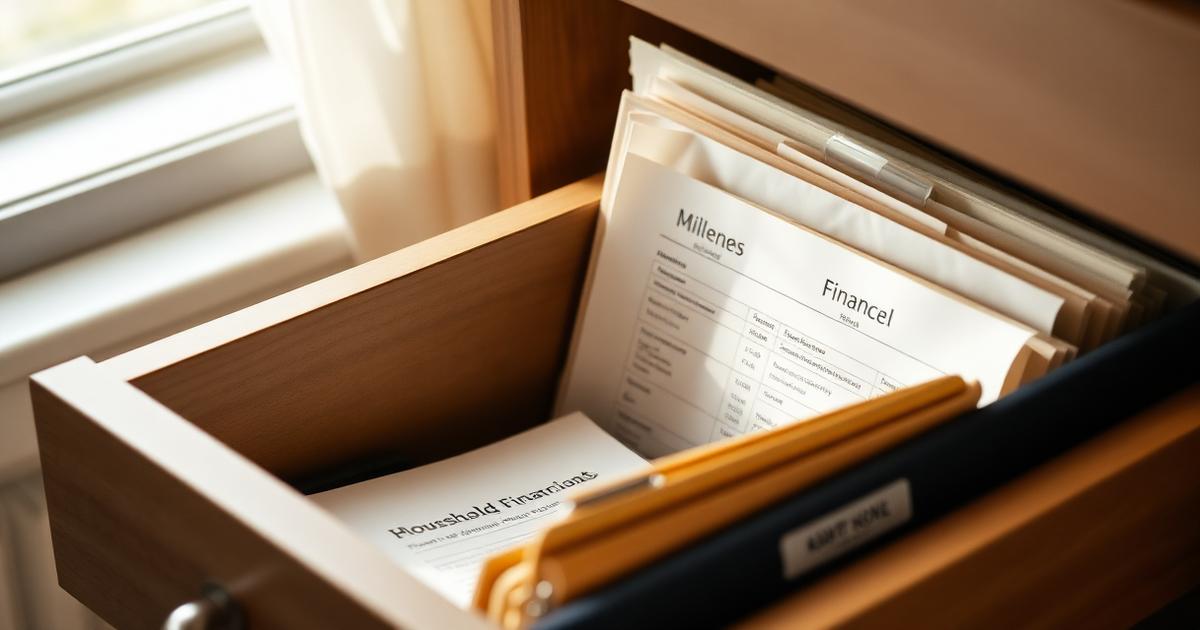
The family emergency binder: what to include (and the digital version that beats it)
Everything your family needs in one place — insurance, accounts, documents, contacts, instructions. Here is the complete checklist, plus why most paper binders fail when they are actually needed.
June 17, 2026 · 8 min read

Search 'family emergency binder' on Pinterest and you will get a million versions of the same thing: a three-ring binder with printable dividers, a cheerful cover page, and laminated instructions for what to do in a crisis. The intent is right. The format is wrong almost every time.
If you only remember one thing from this article, remember this: an emergency binder is only useful if your family can find it and read it in the first hour of an emergency. Most cannot. Here is the complete checklist of what belongs in one — and the modern version that actually works.
What to include in a family emergency binder
Identity documents
- Birth certificates for every household member
- Marriage certificate and any divorce decrees
- Social Security cards
- Passports and the page they were issued on
- Drivers licenses (copies)
- Naturalization or immigration documents
Insurance policies
- Every life insurance policy — individual and group
- Health insurance cards and benefits summary
- Homeowners or renters insurance declarations page
- Auto insurance declarations page
- Disability insurance, long-term care, umbrella policies
Financial accounts
- Bank account numbers and routing numbers
- Brokerage and retirement account numbers
- Credit card account list (numbers are not required — the issuer can find the account)
- Loan account numbers — mortgage, auto, student, personal
- Safe deposit box location and key location
Legal documents
- Last will and testament
- Living will and healthcare proxy
- Power of attorney (financial and healthcare)
- Trust documents
- Beneficiary designations for retirement accounts and life insurance
Property
- Deed to your home
- Auto titles
- Mortgage statement
- Property tax records
Contacts
- Estate attorney
- Financial advisor or planner
- Accountant or CPA
- Life insurance agent and the carriers directly
- Doctor and any specialists
- Family members and close friends who should be notified
- Employer HR contact
Instructions
- What to do in the first 24 hours
- Which accounts must be paid this month and which can wait
- How to access digital accounts (password manager master, two-factor backup codes)
- Funeral or memorial preferences
- Letters to loved ones (optional but meaningful)
Why most paper binders fail
There are four predictable failure modes for the classic paper emergency binder, and your family will hit at least one of them:
- Your family does not know it exists. The binder lives in your office, your safe, or the back of a closet. In a real emergency, no one thinks to look there.
- It is out of date. Policies lapse, accounts close, beneficiaries change, contacts move. The binder you built three years ago is fiction.
- It is destroyed. House fires, floods, theft, and storms destroy the one physical copy of the only document that mattered.
- It is unreadable. Your handwriting, your shorthand, your shorthand for your shorthand. Your spouse can decode it. Your adult kids cannot.
The modern version: a digital vault
Everything that belongs in an emergency binder works better in a secure digital vault — for one reason. A digital vault lets you grant access to a trusted person without giving them the contents until they need it. Your spouse, your adult child, or your executor can be added as a viewer. They cannot see anything until you say so, but the moment they need to, it is all there. Current. Searchable. Backed up.
EverKeep was built for exactly this. Upload your life insurance policies and key documents in about three minutes, invite the people who would need to find them, and your family is covered for what matters most — without a three-ring binder no one can find.
If you still want paper, do this
Some families want both — a digital vault plus a physical backup. Here is the minimum that belongs on paper if you go that route:
- A single one-page document titled IF SOMETHING HAPPENS TO ME, kept somewhere your spouse and one other family member know about
- On that page: the name of your digital vault, the email associated with it, the name of one trusted contact who already has access, and the phone numbers for your attorney and life insurance agent
- That is it. Everything else lives in the vault.
Build it once. Keep it current. Make sure one person besides you knows where it is. That is the entire job.
Keep every policy your family owns in one place.
EverKeep is the free vault for your family's insurance documents — so the people you love never have to go searching.
Start your free vault